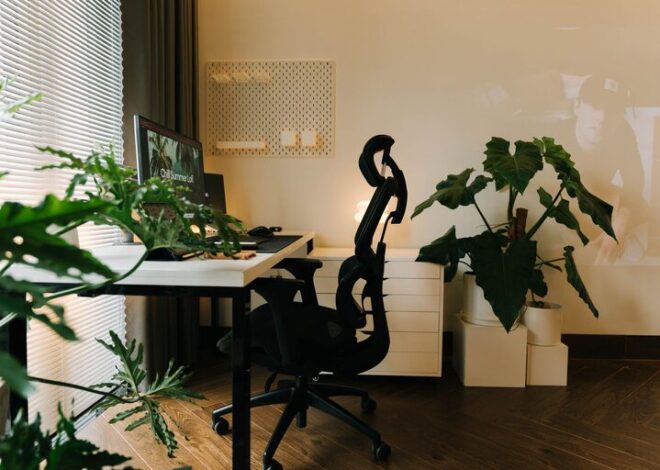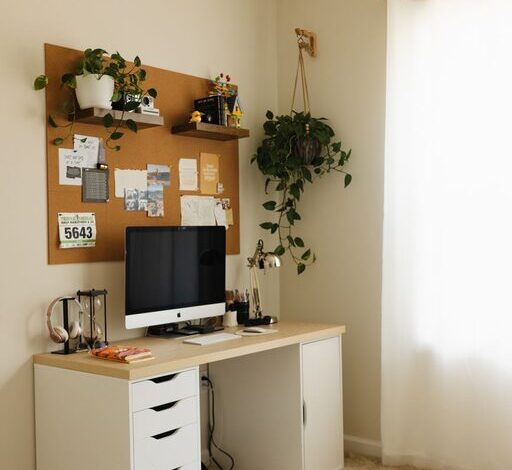

Tips for Creating a More Organized and Productive Workspace at Home
Creating an organized and productive workspace at home is essential for maintaining focus, reducing stress, and getting work done efficiently. Whether you work remotely full-time, study from home, or simply want a dedicated space for managing personal projects, setting up an environment tailored to your needs can make a huge difference. In this post, we’ll explore practical tips to help you design a more organized, comfortable, and productive workspace right in your own home.
Why an Organized Workspace Matters
A cluttered or chaotic environment can distract you, reduce your motivation, and even increase feelings of stress. Conversely, a tidy and well-arranged workspace can:
– Improve focus and concentration
– Elevate your mood and motivation
– Save time by reducing the search for important items
– Make it easier to maintain a healthy work-life balance
Understanding these benefits sets the foundation for creating a workspace that works for you.
Choosing the Right Location
Start by selecting the best spot in your home for your workspace.
– Quiet and Low Traffic: Pick a place with minimal noise and interruptions.
– Natural Light: If possible, position your desk near a window to benefit from natural daylight.
– Comfort and Accessibility: Ensure the area is comfortable and close to necessary resources like Wi-Fi, power outlets, and office supplies.
Remember, your workspace doesn’t have to be a separate room—a corner of a living room or bedroom can work as long as it’s functional.
Declutter and Organize Your Desk
Your desk is the heart of your workspace. Keeping it organized helps maintain focus.
Tips for Desk Organization
– Limit Items to Essentials: Keep only the items you use daily on your desk.
– Use Organizers: Drawer dividers, pen cups, or trays help keep small items tidy.
– Cable Management: Use clips or cable ties to keep cords neat and untangled.
– Clean Regularly: Wipe surfaces and sort through papers weekly to prevent buildup.
Set Up Ergonomically
Comfort plays a big role in your productivity and health during work hours.
– Chair: Use a supportive chair that promotes good posture.
– Desk Height: Your desk should allow your arms to rest comfortably at a 90-degree angle.
– Screen Position: Place your monitor at eye level to reduce neck strain.
– Keyboard and Mouse: Position them close enough to avoid stretching.
If buying new furniture isn’t an option, simple adjustments like adding cushions or using laptop stands can help.
Incorporate Storage Solutions
Effective storage keeps your space tidy and supplies accessible.
– Shelves and Cabinets: Use vertical space to store books, files, and equipment.
– Filing Systems: Organize papers using labeled folders or boxes.
– Baskets and Bins: Great for storing miscellaneous items out of sight.
Label your storage to quickly find what you need and avoid clutter.
Personalize Without Overcrowding
Adding a few personal touches can make your workspace more inviting.
– Plants: Small indoor plants improve air quality and add color.
– Artwork or Photos: Visual elements can motivate and inspire.
– Personal Mementos: Keep items that bring joy but avoid overcrowding.
Balance personalization with simplicity to maintain focus.
Manage Time Effectively
An organized workspace alone doesn’t guarantee productivity. Combine it with good time management.
– Use a Planner or Digital Calendar: Track deadlines, meetings, and tasks.
– Pomodoro Technique: Work in focused bursts with breaks to prevent fatigue.
– Set Boundaries: Establish work hours to prevent overworking when at home.
Minimize Distractions
Limit what interrupts your workflow.
– Silence Notifications: Turn off non-essential phone and computer alerts.
– Use Headphones: They can help block background noise.
– Communicate with Household Members: Let them know your work hours to reduce disturbances.
Maintain Your Workspace Daily
A little effort each day helps keep your workspace organized.
– End-of-Day Routine: Tidy your desk and plan for tomorrow.
– Weekly Deep Clean: Dust surfaces and reorganize supplies as needed.
Regular maintenance prevents clutter from piling up and ensures a fresh start each day.
Conclusion
Transforming your home workspace into an organized and productive area is achievable with intentional steps. By choosing the right location, decluttering effectively, prioritizing ergonomics, and managing your time well, you set yourself up for success. Remember, the key is consistency and making adjustments that suit your personal work style. Start small and watch your productivity thrive!