Tips for Creating a Cozy and Functional Home Workspace
Working from home has become a common experience for many people, making the need for a dedicated and comfortable workspace more important than ever. Creating a home workspace that feels inviting yet supports your productivity can make a significant difference in your workday. Whether you have a spare room or just a small corner, here are some tips to help you design a cozy and functional home office.
Choose the Right Location
Finding the best spot for your workspace is the first step. Consider these factors:
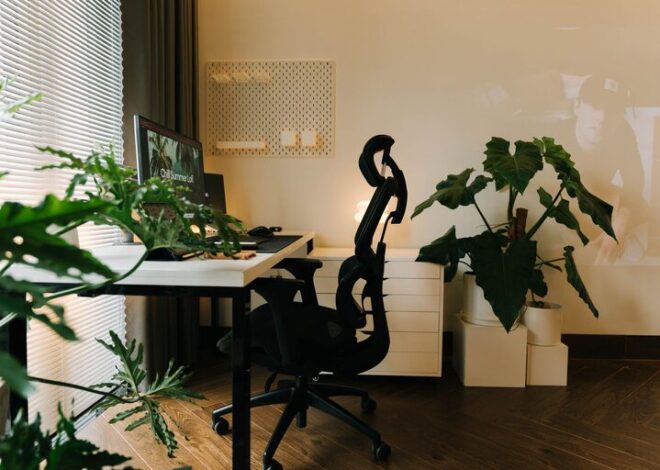
– Natural Light: Place your desk near a window if possible. Natural light boosts mood and reduces eye strain.
– Quietness: Choose a space away from heavy foot traffic or noisy areas to minimize distractions.
– Space Availability: Even a small nook can work if it’s dedicated to your work needs.
If you’re limited on space, use room dividers or shelving units to create a visual separation between work and living areas.
Invest in a Comfortable Chair
Sitting for long hours means comfort is key. A good chair supports proper posture and reduces fatigue.
– Look for chairs with adjustable height, lumbar support, and adequate cushioning.
– Test before buying, if possible, to ensure it fits your body and desk height.
– Don’t forget to pair it with a footrest if you need extra support.
Optimize Your Desk Setup
Having an organized and ergonomically sound desk helps maintain focus and comfort.
– Desk Height: Your desk should allow your arms to rest at a 90-degree angle while typing.
– Surface Space: Ensure there is enough room for your computer, mouse, notebook, and other essentials without clutter.
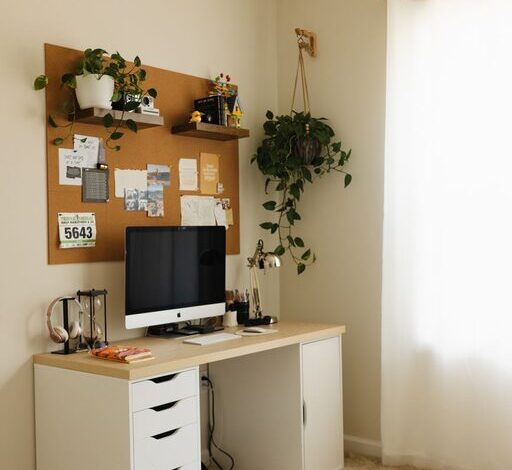
– Storage: Incorporate drawers or desk organizers to keep supplies tidy and within reach.
If space is tight, consider a wall-mounted desk or a fold-down model that can be tucked away when not in use.
Personalize Your Workspace
Adding personal touches can make your workspace feel welcoming and inspiring.
– Decor: Use photos, artwork, or plants to brighten the area.
– Colors: Soft, calming colors can create a cozy atmosphere, while pops of bright colors can stimulate creativity.
– Lighting: In addition to natural light, use adjustable desk lamps or ambient lighting to reduce eye strain and set the mood.
Plants, in particular, improve air quality and add a touch of nature, which can help reduce stress.
Manage Cables and Technology
A cluttered workspace can be distracting and frustrating. Keep cables and devices organized.
– Use cable clips, ties, or sleeves to bundle wires neatly.
– Place chargers and devices in designated spots or use charging stations.
– Regularly clean your electronics to remove dust.
Also, ensure your internet connection is reliable and your printer, scanner, or other peripherals are easily accessible.
Incorporate Organizational Tools
Staying organized is simpler with the right tools.
– Shelves and Filing Cabinets: Store documents and books off your desk.
– Bulletin Boards or Whiteboards: Keep track of important notes, deadlines, and ideas.
– Desk Accessories: Use trays, pen holders, and folders to minimize clutter.
Plan a routine to tidy up your workspace daily, which can help maintain a productive environment.
Balance Work and Relaxation Areas
If your workspace is in a shared area, consider ways to separate work from relaxation.
– Use rugs or screens to define the work zone.
– Have a separate chair or spot nearby to take short breaks away from the desk.
– Consider a small shelf or basket for work materials that can be put away after hours.
This distinction helps your mind shift between work and leisure, improving overall well-being.
Maintain Good Air Quality and Temperature
Comfort isn’t just about furniture and decor. The air you breathe and the room temperature also matter.
– Ensure proper ventilation by opening windows or using air purifiers.
– Adjust the room temperature to your preference; a cool environment often helps with focus.
– Use a fan or heater as needed without creating distracting noise.
Establish Boundaries and Routine
Finally, creating a routine and boundaries around your workspace can enhance productivity.
– Set regular working hours to separate work time from personal time.
– Inform household members about your schedule to minimize interruptions.
– Keep work-related tasks and materials in your workspace to avoid spillover into other parts of your home.
—
Creating a cozy and functional home workspace doesn’t require a complete renovation. With thoughtful choices and organization, you can design a space that supports your work habits and feels like a pleasant place to be. Starting with the basics of location and comfort, personalizing your area, and maintaining organization will help you stay productive and comfortable during your work hours.