Tips for Creating a Relaxing Home Workspace That Boosts Productivity
Creating a home workspace that is both relaxing and productive can be a game-changer for anyone working remotely or managing tasks from home. When your environment feels calm and inviting, it’s easier to stay focused and motivated throughout the day. In this post, we’ll explore thoughtful tips to help you design a home workspace that promotes both relaxation and efficiency.
Why a Relaxing Workspace Matters
Before diving into specific tips, it’s important to understand why the atmosphere of your workspace affects your work quality. Stressful, cluttered, or uninspiring environments can drain your energy and slow down productivity. On the other hand, a relaxing space encourages a positive mindset and minimizes distractions, allowing you to get more done with less effort.
1. Choose the Right Location
Select a spot in your home that suits your work needs and offers minimal disturbances.
– Natural light: Aim for a space with good natural lighting. Sunlight helps improve mood and alertness.
– Quiet environment: Find a quieter area away from high-traffic zones to minimize interruptions.
– Separate work from leisure: Dedicate a specific corner or room exclusively for work to help your brain associate this space with productivity.
2. Invest in Comfortable Furniture
Comfort is key when you spend long hours at your desk.
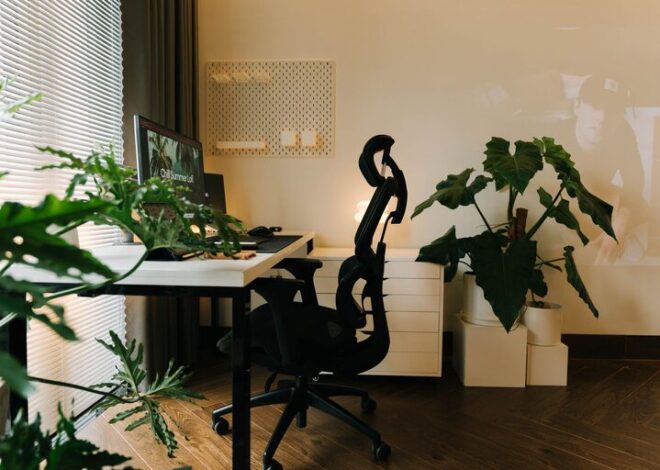
– Ergonomic chair: Choose a chair that supports your back and encourages good posture.
– Appropriate desk height: Your desk should allow your elbows to rest comfortably at about a 90-degree angle.
– Consider standing options: A convertible sit-stand desk lets you alternate between sitting and standing, boosting circulation and reducing fatigue.
3. Keep It Organized and Clutter-Free
A tidy workspace reduces mental clutter and helps you focus.
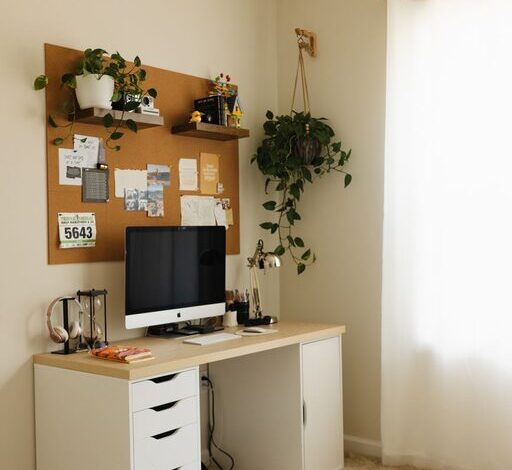
– Use storage solutions: Bins, shelves, and drawer organizers keep supplies orderly.
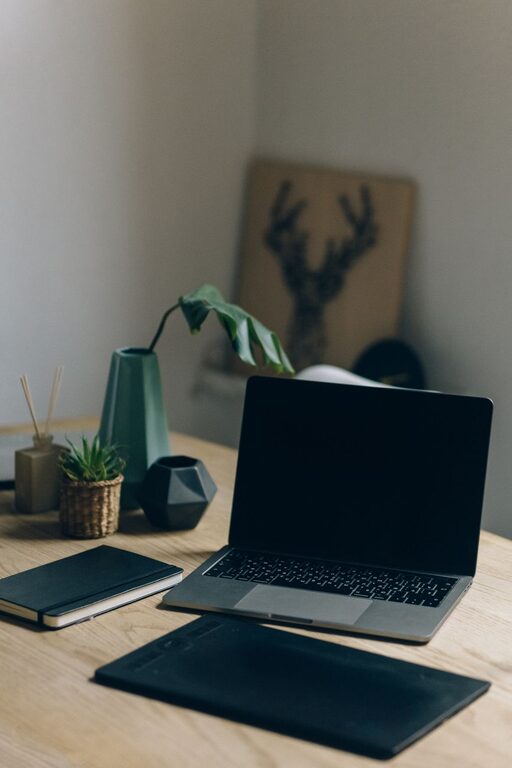
– Limit items on the desk: Keep only essentials like your computer, notebook, and a few personal touches.
– Regularly declutter: Set aside a few minutes at the end of each day to clear your space.
4. Choose Calming Colors and Decor
The colors and decor you pick influence how relaxed and focused you feel.
– Soft, neutral colors: Shades like light blues, greens, or beige create a soothing atmosphere.
– Add plants: Indoor plants not only improve air quality but also provide a calming presence.
– Personal touches: Photos, artwork, or meaningful objects can make your space feel welcoming without becoming distracting.
5. Control Lighting
Proper lighting helps reduce eye strain and enhances concentration.
– Layer your lighting: Combine natural light with overhead lights and task lamps for flexibility.
– Use warm light bulbs: Soft white or warm light bulbs are easier on the eyes, especially during late work hours.
– Avoid glare: Position your monitor to avoid reflection and angle lamps to minimize shadows.
6. Minimize Distractions
Create boundaries and use tools to keep distractions at bay.
– Noise control: Use noise-cancelling headphones or play white noise or ambient music if noise is an issue.
– Turn off notifications: Silence unnecessary alerts on devices during focused work periods.
– Inform household members: Set clear work hours or use signals, like a closed door or headphones, to indicate when you can’t be disturbed.
7. Incorporate Movement Breaks
Sitting still for hours can lead to fatigue and decreased productivity.
– Schedule short breaks: Stand up and stretch every 30 to 60 minutes.
– Set reminders: Use apps or timers to remind you to move.
– Simple exercises: Consider desk stretches or quick walks inside or outside your home.
8. Organize Digital Workspace
A cluttered physical space often goes hand-in-hand with digital clutter.
– Keep files organized: Use folders and clear naming conventions for easy retrieval.
– Limit open tabs: Close browser tabs not related to your current task.
– Use productivity apps: Tools like to-do lists and calendar reminders can help maintain focus.
9. Make It Personal but Balanced
Your workspace should feel like your own without becoming distracting.
– Add meaningful items: A favorite mug, a motivational quote, or a small sculpture.
– Avoid visual overwhelm: Keep decor minimal to maintain simplicity.
– Rotate elements: Change small decorations periodically to keep the space fresh and inspiring.
Final Thoughts
Designing a relaxing home workspace that boosts productivity doesn’t require a big budget or major renovations. Thoughtful choices about location, furniture, organization, lighting, and decor can transform any space into a calm and efficient place to work. By prioritizing comfort and focus, you’ll create an environment that supports your goals and boosts your daily performance.
Take time to evaluate your current setup and experiment with these tips. With intentional adjustments, your home workspace can become a haven for productivity and peace.